
The New Economics of Manufacturing: Why Large Plastic Components Are Driving Regionalization Strategies
Global Supply Chain Realignment in Plastics
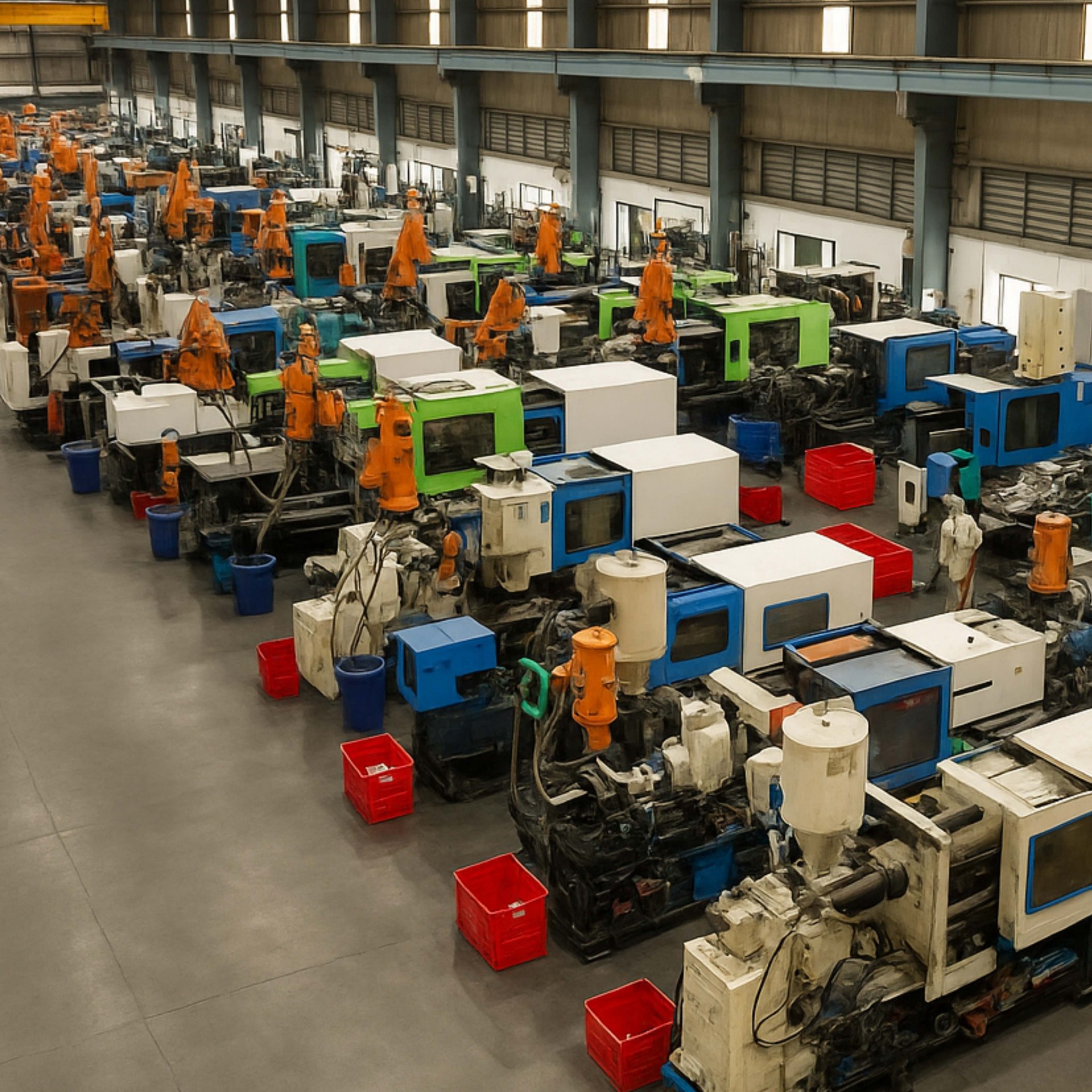
Injection Molding Unit with 50 Machines ranging between 60T-1200T
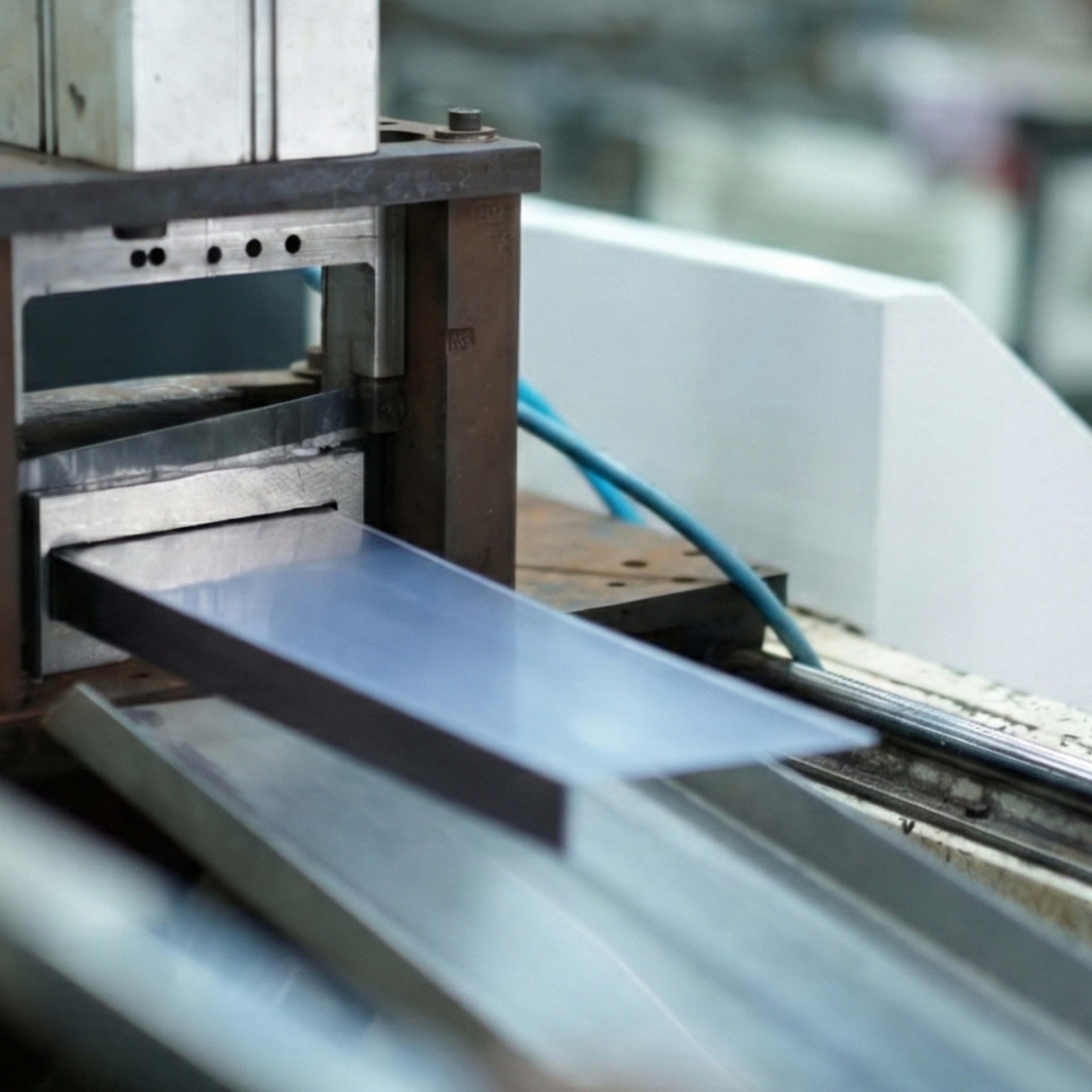
Plastic Profile Extrusion with 30+ Lines offering Mono, Twin and Tri Extrusion
Rising logistics costs and supply chain risks are driving OEMs to regionalize large plastic component manufacturing, with India emerging as a key hub.
MUMBAI, MAHARASHTRA, INDIA, March 31, 2026 /EINPresswire.com/ -- Global manufacturing is entering a new phase, one defined not by cost arbitrage alone, but by resilience, responsiveness, and control over supply chains.
For decades, production strategies were optimized for efficiency at scale, often relying on geographically concentrated manufacturing hubs and long-distance logistics networks. That model is now being systematically re-evaluated.
A combination of rising freight volatility, extended lead times, and increasing pressure on supply chain predictability has compelled original equipment manufacturers (OEMs) to rethink where and how products are made. What is emerging is a more balanced approach, one that prioritizes regional manufacturing capabilities alongside global scale.
Nowhere is this shift more visible than in the manufacturing of large plastic components.
Why Size Changes the Economics of Global Trade:
Not all manufactured components behave the same way in global supply chains.
Large plastic parts used in sectors such as infrastructure systems, industrial equipment, electrical enclosures, and consumer appliances present a unique logistical challenge. Unlike compact, high-value products, these components are typically characterized by a high volume-to-weight ratio.
In practical terms, this means shipping costs are driven less by weight and more by the physical space occupied within containers. As freight costs fluctuate and transit timelines become less predictable, transporting such components across long distances can significantly impact total landed cost. What was once a manageable logistics expense is increasingly becoming a strategic constraint.
This dynamic is pushing OEMs to reconsider traditional sourcing models and explore manufacturing options closer to their end markets.
From Global Optimization to Regional Resilience:
The shift toward regionalization is not a retreat from globalization, but rather its evolution. Manufacturers are increasingly adopting hybrid supply chain models by retaining global sourcing where it makes sense while building regional manufacturing capacity for products that are logistics-sensitive.
Large plastic components fall squarely into this category. Producing closer to destination markets offers multiple advantages:
- Reduced freight dependency and cost exposure
- Greater predictability in delivery timelines
- Lower inventory carrying requirements
- Improved responsiveness to demand fluctuations
As a result, logistics efficiency is no longer a downstream consideration—it is becoming a core design parameter in manufacturing strategy.
India’s Emergence as a Strategic Manufacturing Hub:
Within this broader transition, India is gaining prominence as a viable alternative for engineered plastics manufacturing. The country’s plastics sector has evolved significantly over the past several decades. According to the Plastics Export Promotion Council, exports have grown from USD 16.5 million in 1955–56 to approximately USD 12.5 billion in 2024–25, with projections pointing toward continued expansion.
More importantly, India’s export profile reflects strong engagement with mature markets. Europe and North America together account for nearly half of total plastics exports, indicating growing confidence in the country’s manufacturing capabilities. Several structural factors support this trajectory:
- A deep pool of engineering talent
- Expanding industrial infrastructure
- Competitive operating costs
- Increasing alignment with global quality and compliance standards
These attributes position India as more than a cost-effective option—it is increasingly viewed as a strategic manufacturing partner.
The Role of Engineering Depth in Modern Plastics Manufacturing:
As products become more complex, manufacturing is no longer a standalone activity; it is deeply integrated with engineering. Advanced plastic component production requires:
- Scientific injection molding for process consistency
- Moldflow-driven tool design optimization
- Multi-component and precision molding capabilities
- Advanced extrusion technologies for complex profiles
Manufacturers that integrate these capabilities within a single ecosystem are better equipped to support OEMs from early-stage design through to full-scale production. This integration reduces development cycles, improves product reliability, and enhances overall supply chain efficiency.
Sustainability as a Parallel Driver:
Alongside logistics and cost considerations, sustainability is becoming an increasingly important factor in manufacturing decisions. OEMs are under growing pressure to reduce environmental impact across their value chains. This is accelerating the adoption of:
- Recycled and re-engineered polymers
- Lightweight plastic alternatives to traditional materials
- Energy-efficient production processes
Certification frameworks such as ISO 14001 and EcoVadis are also playing a larger role in supplier selection, reinforcing the need for environmentally responsible manufacturing practices.
A Structural Shift, Not a Temporary Adjustment:
What is unfolding is not a short-term response to isolated disruptions, but a broader structural transformation in global manufacturing.
OEMs are rebalancing their priorities, moving from a singular focus on cost efficiency to a more nuanced equation that includes resilience, engineering capability, logistics optimization, and sustainability. For large plastic components in particular, this shift is especially pronounced. As companies continue to adapt to a more complex and dynamic global environment, regional manufacturing partnerships will play an increasingly critical role in ensuring both operational efficiency and strategic flexibility.
India, with its expanding capabilities in engineered plastics, is well-positioned to be part of this next phase of industrial evolution.
About Jyoti World Private Limited:
Established in 1959, Jyoti World Private Limited is an integrated plastic manufacturing company offering contract manufacturing solutions across injection molding, profile extrusion, plastic machining, and polymer compounding. With more than 50 injection molding machines and over 30 extrusion lines, the company provides end-to-end manufacturing support—from design and tooling to production and assembly for OEM and ODM partners across global markets.
Poorwal Oak
Jyoti World Private Limited
+ +91 84228 69122
poak@jyotiworld.com
Visit us on social media:
LinkedIn
Facebook
YouTube
High-Precision Injection Molding | Micron-Level Accuracy for Reliable Performance
Legal Disclaimer:
EIN Presswire provides this news content "as is" without warranty of any kind. We do not accept any responsibility or liability for the accuracy, content, images, videos, licenses, completeness, legality, or reliability of the information contained in this article. If you have any complaints or copyright issues related to this article, kindly contact the author above.
