

Brake Drum Cracking and Heat Damage Raise Maintenance Concerns for Heavy-Duty Commercial Vehicles
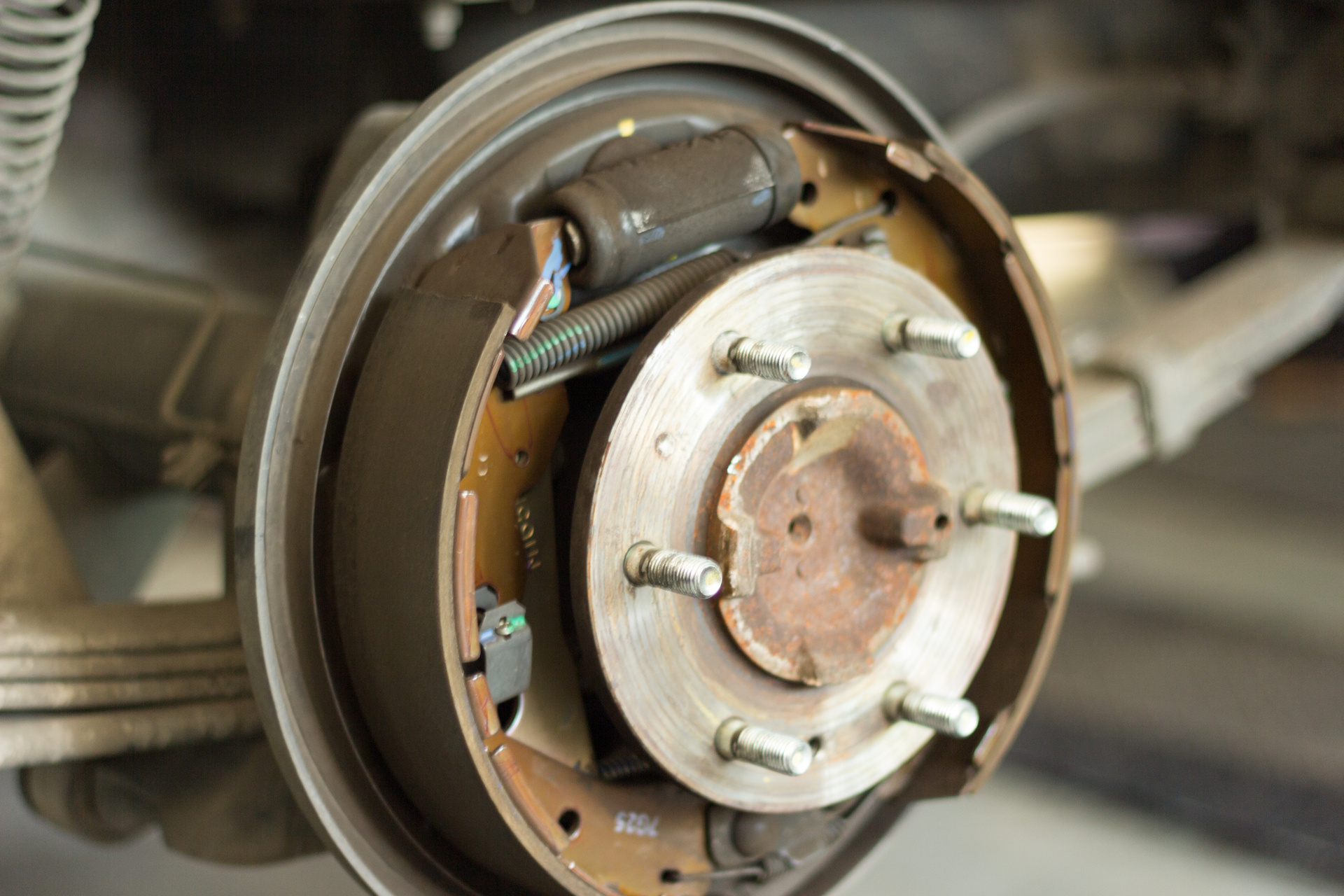

Brake drums handle a tremendous amount of heat during normal operation, especially on heavily loaded trucks”
BATON ROUGE, LA, UNITED STATES, October 21, 2026 /EINPresswire.com/ -- Brake drums are essential components of braking systems used in many heavy-duty commercial trucks, trailers, and industrial vehicles. Designed to withstand substantial mechanical forces and elevated operating temperatures, brake drums experience repeated heating and cooling during normal operation. Over time, these temperature changes, combined with mechanical stress and operating conditions, can contribute to cracking, surface deterioration, and structural damage.— Edyce Stone
Dragon Diesel Mechanical, a diesel truck maintenance and repair company in Baton Rouge, Louisiana, is highlighting the factors associated with brake drum cracking and heat damage, including excessive braking temperatures, improper brake adjustments, friction material problems, and demanding operating conditions.
Understanding how brake drums deteriorate can help fleet operators, maintenance personnel, and commercial vehicle owners recognize conditions requiring inspection and corrective maintenance.
Understanding How Brake Drums Generate Heat
Drum braking systems operate by pressing friction material against the interior surface of a rotating brake drum. The resulting friction converts the vehicle's kinetic energy into thermal energy, allowing the vehicle to slow down or stop.
During normal braking, temperatures increase as friction develops between the brake shoes and drum surface.
Brake drums are designed to tolerate significant temperature changes. However, excessive heat accumulation can affect material properties, dimensional stability, and structural integrity.
Heavy vehicle loads, frequent braking, steep grades, and repeated stopping can increase thermal demands on braking components.
According to Edyce Stone, owner of Dragon Diesel Mechanical in Baton Rouge, managing braking temperatures is an important consideration in commercial vehicle maintenance.
"Brake drums handle a tremendous amount of heat during normal operation, especially on heavily loaded trucks," Stone said. "Problems can develop when excessive temperatures occur repeatedly or when mechanical conditions prevent the brakes from operating correctly. Understanding what causes that heat buildup is important when evaluating brake drum damage."
Repeated Heating and Cooling Can Cause Thermal Fatigue
One contributing factor to brake drum cracking is thermal fatigue.
Thermal fatigue develops when repeated temperature changes cause materials to expand and contract.
During braking, the friction surface heats and expands. As temperatures decrease, the material contracts.
These repeated cycles create internal stresses that may eventually contribute to surface cracking.
Small thermal cracks, sometimes described as heat checking, may develop along the braking surface.
Heat checking does not automatically indicate that a drum has reached the same condition as a drum with extensive structural cracking. However, cracks extending beyond manufacturer or applicable inspection limits require corrective action.
The size, location, depth, and pattern of cracking are important considerations when evaluating brake drum condition.
Excessive Brake Temperatures and Overheating
Brake drums can experience excessive temperatures when braking demand exceeds the system's ability to dissipate heat.
Frequent stops, extended downhill braking, and operation under heavy loads can increase thermal stress.
When braking components remain exposed to elevated temperatures, the drum may develop discoloration, surface distortion, or other evidence of overheating.
Excessive heat can also affect brake lining performance and contribute to changes in braking effectiveness.
In severe situations, overheating may cause permanent deformation or cracking.
Commercial vehicle operators and maintenance personnel should consider unusual brake odors, smoke, abnormal braking behavior, and visible heat damage as potential indicators requiring inspection.
Improper Brake Adjustment and Mechanical Problems
Brake adjustment problems can contribute to uneven braking forces and excessive heat generation.
When brake components fail to release properly, friction material may remain in contact with the drum after the brake pedal is released.
This condition, commonly referred to as brake drag, can generate continuous heat during vehicle operation.
Potential causes include mechanical binding, malfunctioning components, improper adjustments, and certain air brake system problems.
Uneven brake application between wheel positions may also cause individual drums to experience different thermal loads.
Stone noted that identifying the source of excessive heat is important when damaged components are discovered.
"Replacing a damaged brake drum without identifying the cause of the problem may leave the underlying issue unresolved," Stone said. "Brake adjustment, friction materials, mechanical movement, and related components all need to be considered. Excessive heat is often a symptom of another condition affecting the braking system."
The Role of Brake Linings and Friction Materials
Brake linings influence how friction and heat are distributed across the drum surface.
Worn, contaminated, damaged, or improperly installed friction materials may affect braking performance and create uneven contact patterns.
Uneven contact can produce localized areas of elevated temperature, sometimes referred to as hot spots.
Repeated localized heating can contribute to surface deterioration and thermal stress.
Brake linings contaminated with oil or grease may also experience altered friction characteristics.
Inspection procedures should account for the condition of friction materials, brake hardware, and related components when evaluating drum damage.
Heavy Loads and Demanding Operating Conditions
Commercial trucks frequently operate under conditions involving substantial vehicle weight and repeated braking.
Delivery vehicles operating in urban environments may experience frequent stopping, while trucks traveling through mountainous regions may encounter prolonged downhill braking demands.
Vehicle loading, braking technique, and the condition of auxiliary braking systems can influence heat generation.
Although Louisiana lacks extensive mountainous terrain, commercial vehicles operating throughout the region may experience demanding braking conditions associated with traffic congestion, heavy loads, and repeated stops.
Maintaining appropriate vehicle loading and following established operating procedures can help manage braking demands.
Recognizing Visible Signs of Brake Drum Damage
Brake drum inspections may reveal several conditions associated with thermal or mechanical deterioration.
These include surface cracks, heat checking, discoloration, scoring, unusual wear patterns, and distortion.
Cracks extending through a drum or meeting applicable out-of-service criteria represent significant safety concerns.
Excessive drum wear and dimensions beyond manufacturer specifications can also affect structural integrity.
Visual observations should be evaluated alongside measurements and applicable inspection standards.
Not all surface markings indicate identical levels of damage, making proper assessment important.
Maintenance and Inspection Considerations
Routine brake inspections can help identify developing problems before additional deterioration occurs.
Maintenance procedures may include examining drum surfaces, measuring wear, checking brake adjustment, evaluating friction materials, and inspecting related mechanical components.
Commercial vehicle maintenance should follow applicable federal regulations, manufacturer specifications, and recognized inspection procedures.
Brake drums exhibiting prohibited cracks, excessive wear, or other disqualifying conditions require appropriate corrective action before continued operation.
Replacing damaged components should also involve evaluating related causes of overheating or uneven braking.
Understanding the Importance of Brake System Condition
Brake drum cracking and heat damage can develop through a combination of thermal fatigue, excessive temperatures, mechanical problems, and demanding operating conditions.
Because braking systems directly influence vehicle control and stopping performance, identifying abnormal wear and structural damage remains an important part of commercial vehicle maintenance.
Understanding these conditions can support informed maintenance decisions and help fleet operators recognize when further inspection is necessary.
About Dragon Diesel Mechanical
Dragon Diesel Mechanical is a diesel truck maintenance and repair company based in Baton Rouge, Louisiana. Owned by Edyce Stone, the company works with commercial diesel vehicles and provides mechanical services involving heavy-duty truck systems, component inspections, maintenance, and repairs.
Morgan Thomas
Rhino Digital, LLC
+1 504-875-5036
Visit us on social media:
Facebook
Legal Disclaimer:
EIN Presswire provides this news content "as is" without warranty of any kind. We do not accept any responsibility or liability for the accuracy, content, images, videos, licenses, completeness, legality, or reliability of the information contained in this article. If you have any complaints or copyright issues related to this article, kindly contact the author above.
